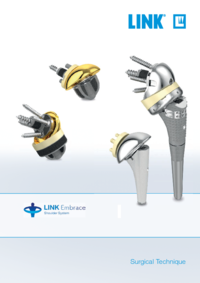
LINK Embrace Shoulder System
Many years of experience with successful implant systems and fixation concepts, as well as the latest material and coating technologies have been taken into account and applied in the design of the LINK Embrace Shoulder System. Designed as a versatile system, it covers a broad range of indications for reverse treatment in both primary and revision cases.1
System Overview Humeral Options
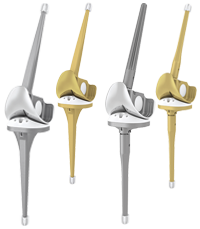
The LINK Embrace Shoulder System offers diverse fixation options suitable for the majority of patient populations and indications. A wide range of stems in different configurations allows for cemented and cementless fixation. Different types of Reverse Trays and Reverse Inserts offer several options for component alignment in all spatial planes.

Patient Cases

PD Dr. M. Braito, PhD
Patient Case from
Austria
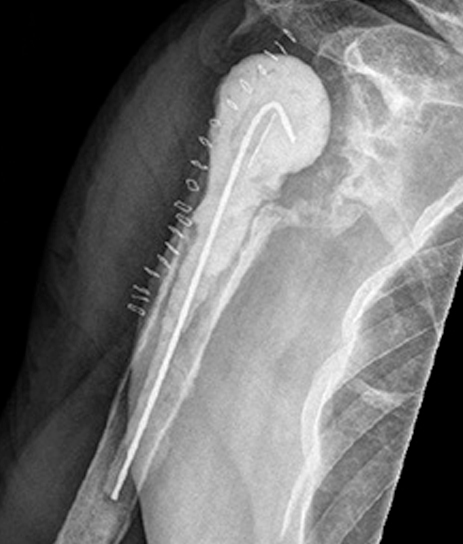

Dr. M. Beuchel
Patient Case from
Oldenburg, Germany
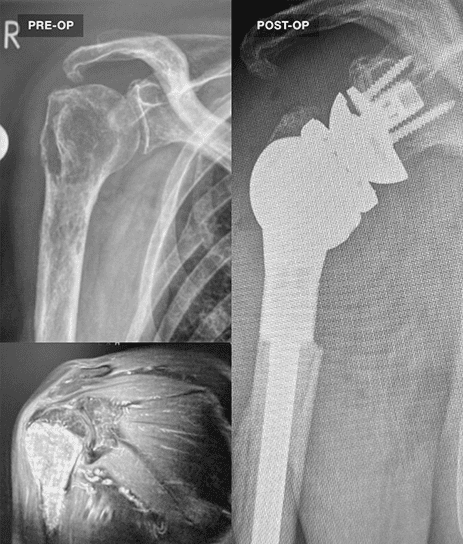

Prof. Dr. R. Capanna
Patient Case from
Pisa, Italy

Dr. D. Heredia
Patient Case from
Madrid, Spain

Dr. A. Margies
Patient Case from
St. Ingbert, Germany
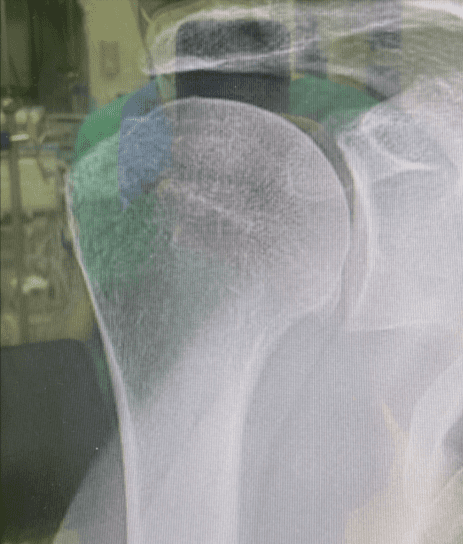
PD Dr. M. Braito, PhD
Patient Case from
Austria
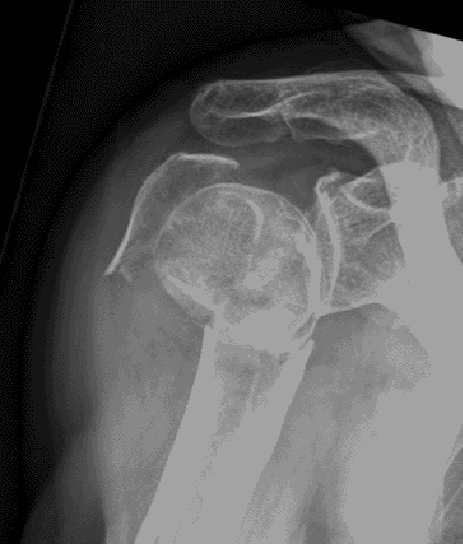

Dr. S. Pietsch
Patient Case from
Eisenberg, Germany
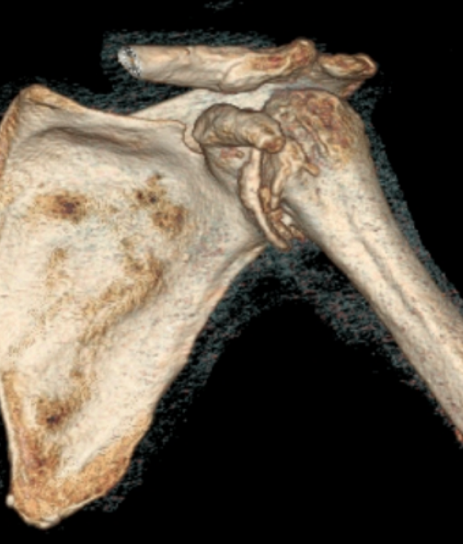

Dr. G. Claret Garcia
Patient Case from
Barcelona, Spain
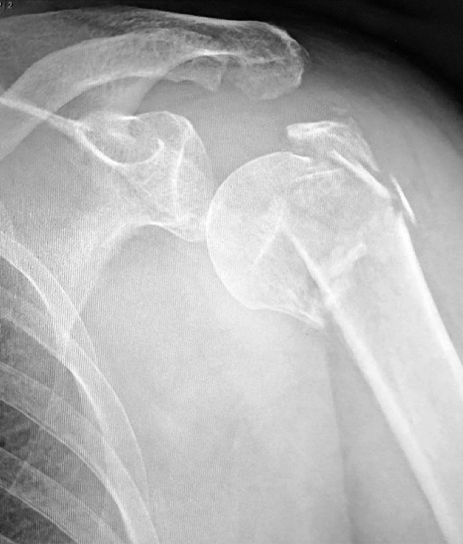

Dr. J. Beardi
Patient Case from
Fulda, Germany
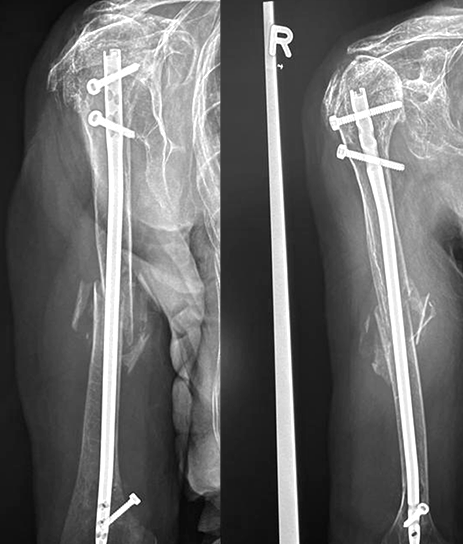
View Full Case

Dr. M. A. Ruiz Ibán
Patient Case from
Madrid, Spain
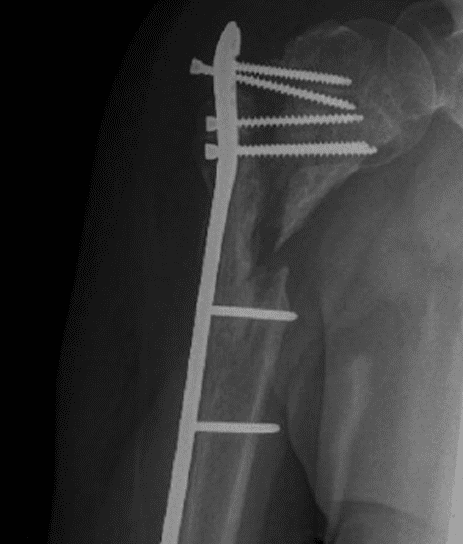

Dr. P. Cañete
Patient Case from
Valencia, Spain
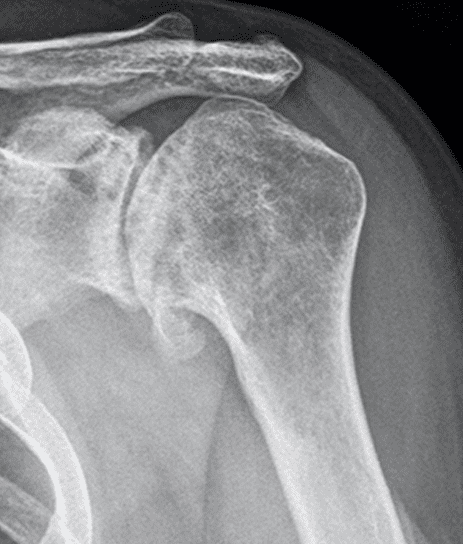

Dr. E. Guerra
Patient Case from
Bologna, Italy
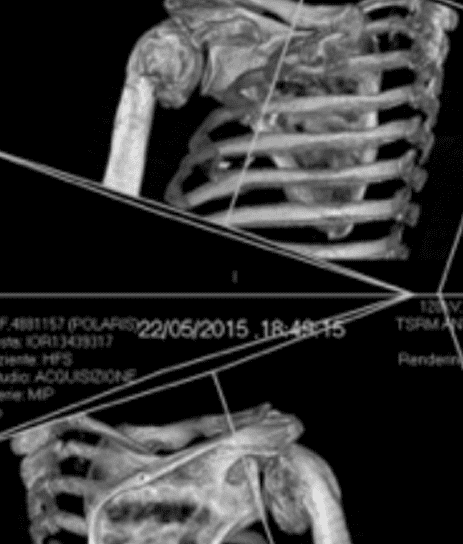

Prof. Dr. J. Kircher
Patient Case from
Hamburg, Germany
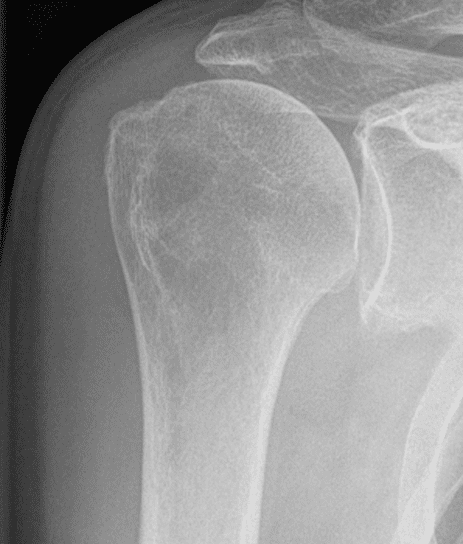

Dr. J. Löwe
Patient Case from
Kiel, Germany
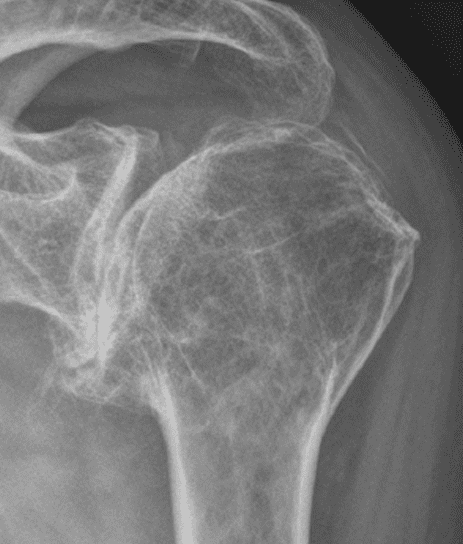
Interviews
Dr. Miguel A. Ruiz Ibán
University Hospital Ramón
y Cajal Madrid, Spain
Dr. Pablo Cañete
Hospital de Manises
Valencia, Spain

Dr. Martin Arbogast
Waldburg-Zeil Kliniken
Oberammergau, Germany

Dr. Ing. Paolo Dalla Pria
International R&D Executive
Waldemar Link
Dr. Stefan Pietsch
Wald Clinic
Eisenberg, Germany
Humeral Components

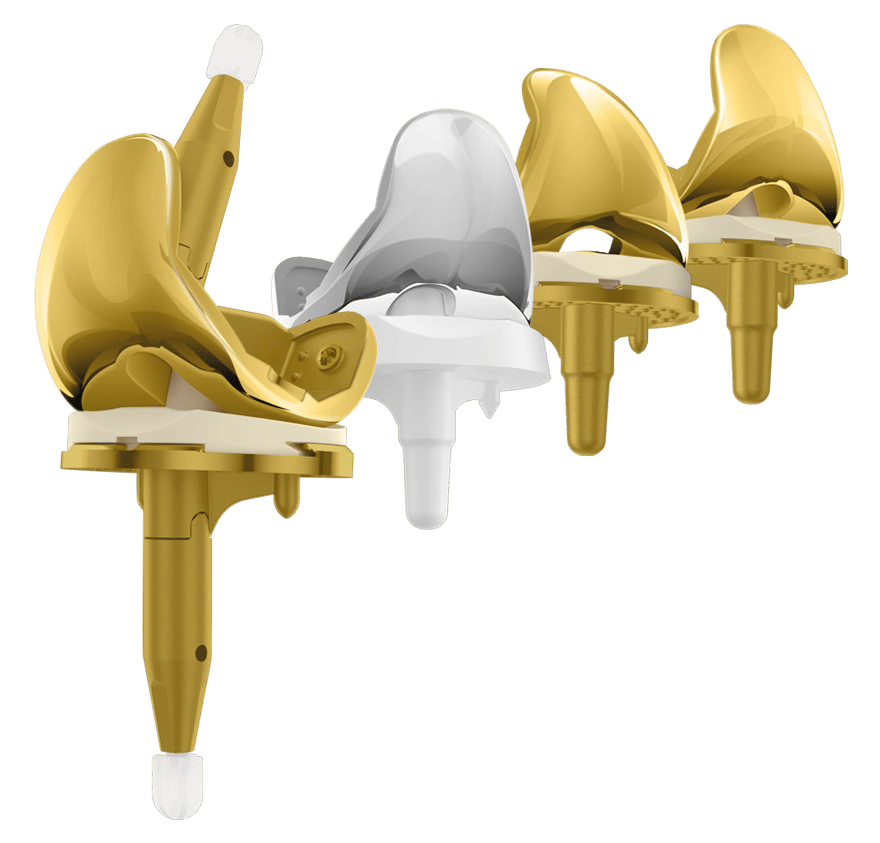
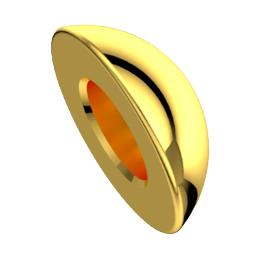
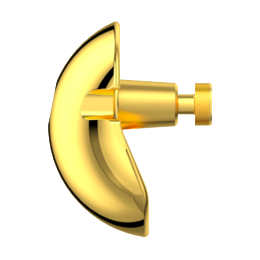
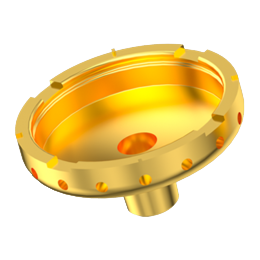
One of LINK’s major objectives in joint arthroplasty is the preservation of vital bone. In the LINK Embrace Shoulder System, Humeral Short Stems as well as Stemless Cages help to save valuable bone stock for possible future treatments and revisions. For stemless primary reverse arthroplasty, the LINK Embrace Shoulder System offers Stemless Ring Cages, designed for direct connection to the required Reverse Insert. Stemless Ring Cages may also be used for anatomic reconstruction with both Humeral Heads and CTA Heads by means of specific adapters. Bone contact areas of LINK Embrace Stemless Cages and Stemless Ring Cages are equipped with a TrabecuLink surface, aiming at good primary stability as well as fast and long lasting bony integration.1
For fracture and revision treatment
The system offers a set of modular Proximal Bodies in several sizes and heights to be paired with a broad range of Modular Stems, available in different diameters and lengths as well as different surface and coating options for cemented and cementless fixation.
The Proximal Bodies’ spiked surface, together with m-l and a-p holes for suture fixation, allow for stable and physiologic tuberosities reattachment. The modular concept of the fracture components supports the surgeon in achieving adequate joint restoration even in cases with poor anatomical landmarks.1

EXPLORE THE NEW WORLD OF SHOULDER SURGERY
System Overview Glenoidal Options
The glenoid components were designed specifically to address various treatment options depending on surgeon’s choice.1
Anatomic Configuration:
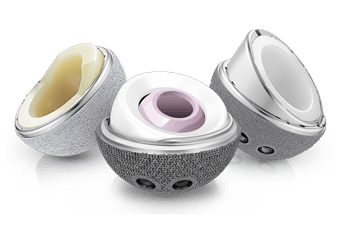
Cemented All-Poly Glenoid and Convertible Glenoid

Reverse Configuration:
Convertible Glenoid and Reverse Glenoid Baseplate
*Conversion only

Reverse Glenoid Baseplates
Depending on preference, the surgeon can choose from multiple types of the Reverse Glenoid Baseplates. Thanks to its elaborated design it can host a central Bone Screw and up to 4 peripheral Bone Screws. The surgeon can select from angle-stable (locking), polyaxial angle-stable (locking) and standard screw fixation with cortical and cancellous thread design.1 All standard Glenoid implants are designed with a curved back side resulting in bone sparing preparation and better fixation.7 Wedged and lateralizing Baseplates with diAerent oAsets and angulations as well as long pegged Baseplates are suitable for glenoid reconstruction to address glenoid defects and glenoid bone loss.3
This range of humeral and glenoid fixation options can be applied in all common configurations of shoulder arthroplasty. This facilitates the right treatment for each individual indication by appropriate component selection, adaption, fixation, size, oAset, version and joint tension.2
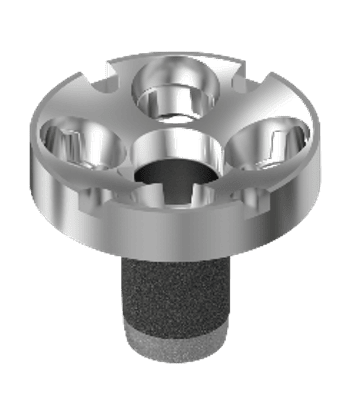
+3
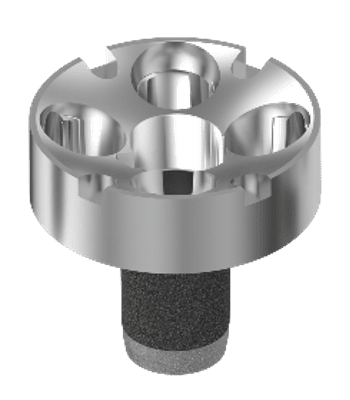
+6
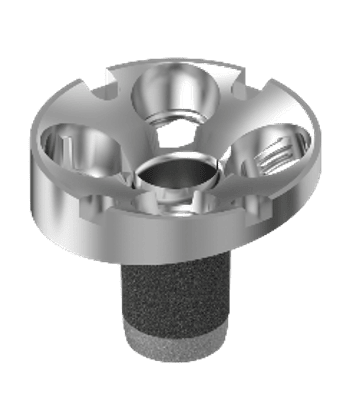
10°
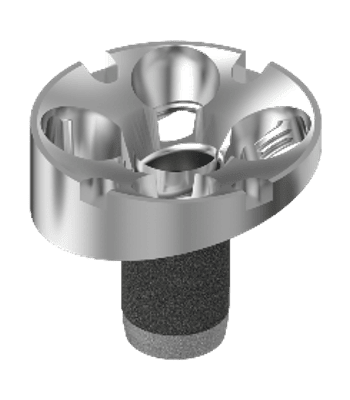
15°
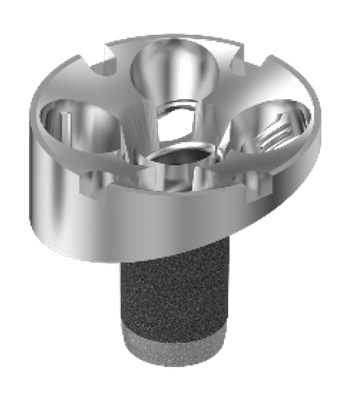
20°
+3
+6
+6
10°
10°
15°
15°
20°
20°
DON´T FIGHT THE CHANGE. EMBRACE IT!
Heads & Inserts
LINK is committed to provide surgeons with solutions for hypersensitive patients. In the LINK Embrace Shoulder System, all CoCrMo components are available without and with TiNbN modification, a thin layer all over the implant, reducing the diffusion of Nickel ions and, thus, helping to reduce the risk of adverse soft tissue reactions.1
The LINK Embrace Shoulder System is implanted by means of a streamlined, lightweight and ergonomic instrument set, allowing for straightforward workflow and high reproducibility.
Multi-purpose instruments and elaborated trial components help to reduce the amount of instruments and number of trays, thus enhancing the intra-operative handling and safety for both OR-staff, surgeon and patient.1
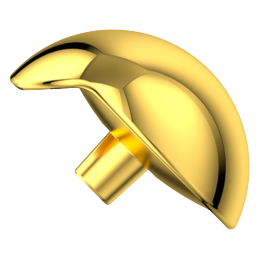


Many years of experience with successful implant systems and fixation concepts as well as the latest material and coating technologies have been taken into account and applied in the design of the LINK Embrace Shoulder System. Designed as a true platform system, it covers a broad range of indications from anatomic elective and fracture up to reverse treatment, conversion scenarios from anatomic to reverse (and back) as well as revision cases.
The surgeon can select from various options of HX (CaP) coated stems for cementless fixation, as well as standard stems for cemented/ cementless fixation and a range of long modular stems for either cemented or cementless fixation. For glenoid treatment, UHMWPE glenoids are available for cemented fixation. Metal-backed glenoids, which are the Convertible Glenoid and the Reverse Glenoid Baseplate, come with a TrabecuLink surface, aiming at high primary stability and bone integration.
TrabecuLink is the registered trade name of a 3-dimensional structure and describes the surface of the implant. It is produced in an additive manufacturing process.
3D printing video
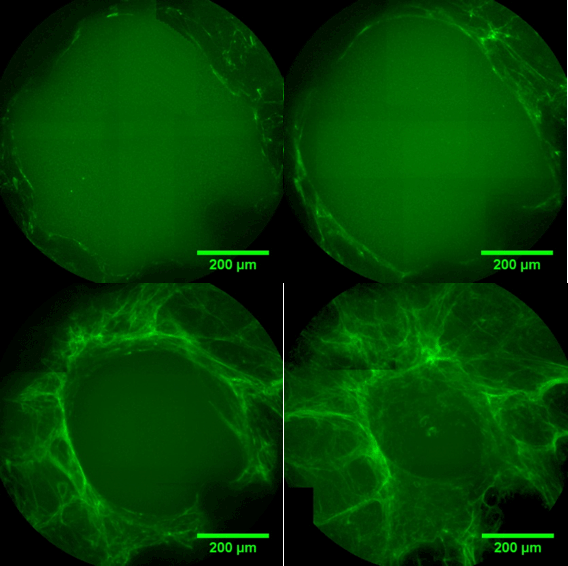
The pore geometry ensures excellent cell ongrowth. Femoral and Tibial Cones
Yes, the majority of the system components is cleared by the FDA for use in the US.
The LINK Embrace Shoulder System is based on an onlay concept philosophy designed to facilitate the individual adaption of the system according to the requirements of the patient. Thanks to its design, the system also facilitates the conversion of anatomic joint configurations into reverse configurations.
The LINK Embrace Shoulder System was launched onto CE market in August 2020.
Due to its high degree of inner compatibility and consistency, the LINK Embrace Shoulder System offers all relevant treatment options in only one implant system as well as a slim instrumentation consisting of just 7 sets. The simplicity and variability of the LINK Embrace Shoulder System are designed for easy intra-op handling for the surgeon and facilitated instrumentation for the nursing staff, aiming at convenient application and enhanced clinical outcomes.
Humeral Components
Glenoid Components
Conversion to Reverse Configuration


Sources
- Internal document W. Link (DOC-11035)
- Internal document W. Link DOC-12528)
- Crosby et al. Conversion to Reverse Total Shoulder Arthroplasty with and without Humeral Stem Retention: The Role of a Convertible-Platform Stem. J Bone Joint Surg Am. 2017;99:736-42
- Castagna et al. Conversion of shoulder arthroplasty to reverse implants: clinical and radiological results using a modular system. International Orthopaedics (SICOT) (2013) 37:1297–1305.
- Kany et al. A convertible shoulder system: is it useful in total shoulder arthroplasty revisions? International Orthopaedics (SICOT) (2015) 39:299–304.
- Roche et al. Impact of Inferior Glenoid Tilt, Humeral Retroversion, Bone Grafting, and Design Parameters on Muscle Length and Deltoid Wrapping in Reverse Shoulder Arthroplasty. Bulletin of the Hospital for Joint Diseases 2013;71(4):284-93.
- Strauss et al. The glenoid in shoulder arthroplasty. Journal of Shoulder and Elbow Surgery (2009) 18, 819-833
- Patel M, Rao A, Edirisinghe Y. Glenoid reconstruction for primary or revision shoulder arthroplasty using a metal-backed long pegged glenoid implant and iliac crest autograft or allograft. In Proceedings of the 12th International Congress of Shoulder and Elbow Surgery (ICSES); 2013 Apr 10–12; Nagoya, Japan.